

Introduction: The Fascination with Aquiline Noses
Facial features play a significant role in how we perceive beauty, character, and even personality. Among the many types of noses, one that has fascinated artists, sculptors, and surgeons alike is the aquiline nose. Sometimes referred to as a “Roman nose,” this shape is defined by a prominent bridge that curves or bends slightly, giving the face a strong, sculpted profile.
For some, an aquiline nose is a mark of elegance, strength, and individuality. For others, its prominence may create self-consciousness, prompting interest in reshaping options like rhinoplasty.
What is an Aquiline Nose?
The term “aquiline” is derived from the Latin word aquilinus, meaning “eagle-like.” Just as an eagle’s beak, an aquiline nose features a slightly convex bridge. This creates a distinct, bold profile that many find attractive.
Key Features of an Aquiline Nose:
- Prominent Bridge: The defining characteristic is a high, curved nasal bridge.
- Straight or Slightly Curved Tip: The tip may be neutral or slightly downward-turned.
- Strong Profile: Often gives the face a sharp, sculpted look.
While the aquiline nose is common in Mediterranean, Middle Eastern, and European populations, it can be seen across many ethnic groups worldwide. Its unique structure is part of what makes it a topic of fascination in discussions about types of noses.
Types of Noses: Where Aquiline Fits In
Understanding the various types of noses helps put the aquiline nose into context. Surgeons often classify noses by their shape, as it guides both aesthetic discussions and surgical planning.
Common nose types include:
- Aquiline (Roman) Nose: High bridge, curved profile.
- Straight Nose: Smooth, straight nasal bridge with minimal curvature.
- Button Nose: Small, slightly upturned, rounded tip.
- Nubian Nose: Wider base, longer bridge.
- Hawk Nose: Similar to aquiline nose but with a sharper, more hooked tip.
- Snub Nose: Short and small, often with a slight upward tilt.
Understanding where your nose falls in these categories can help you decide if you’d like to keep its distinctive character or consider modification through rhinoplasty.
The Anatomy of an Aquiline Nose
To understand why the aquiline nose looks the way it does, it helps to know a bit about nasal structures.
The nose is made up of:
- Bone: The upper third of the nose consists of nasal bones that define the bridge.
- Cartilage: The lower two-thirds are made of flexible cartilage, shaping the tip and nostrils.
- Soft Tissue and Skin: Cover and support the framework.
In an aquiline nose, the nasal bones may project more prominently, creating the characteristic curvature. The cartilage may also follow this contour, reinforcing the shape. Understanding this anatomy is essential when considering changes, since reshaping typically involves adjustments of both bone and cartilage.
Historical and Cultural Significance
Aquiline noses have been admired for centuries. In classical art and sculpture, Roman and Greek leaders were often depicted with strong, prominent noses as symbols of power and nobility. Even today, it is often associated with intelligence, strength, and confidence.
However, cultural preferences can vary. In some societies, a softer, more delicate nose shape is considered the beauty standard, which can lead some individuals to seek rhinoplasty to soften the appearance of their aquiline nose.
Rhinoplasty for Aquiline Noses
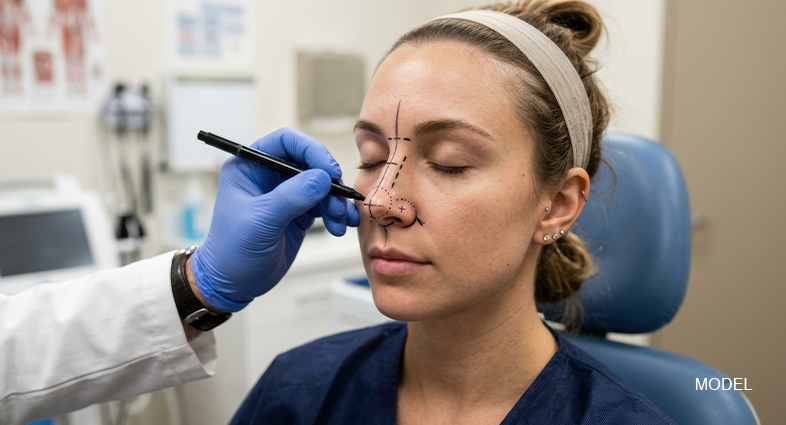
If you have an aquiline nose and are considering a change, rhinoplasty (nose reshaping surgery) is one of the most common solutions. Marin Aesthetics, we specialize in precision rhinoplasty procedures that enhance natural beauty while maintaining facial harmony.
Surgical Options:
- Dorsal Hump Reduction: Reduces the height of the nasal bridge to create a smoother profile.
- Tip Refinement: Adjusts the nasal tip for balance and proportion.
- Osteotomies: Controlled breaks to reposition nasal bones for a straighter appearance.
Each procedure is highly individualized. Some patients prefer subtle changes that maintain the character of their aquiline nose, while others seek a completely straighter profile.
Non-Surgical Options
For those not ready for surgery, non-invasive treatments such as liquid rhinoplasty can provide temporary results. Dermal fillers are strategically injected to smooth the nasal bridge and create the illusion of a straighter nose. Results typically last 6–12 months, making this an excellent way to preview a new look before committing to surgery.
Benefits of Embracing Your Aquiline Nose
It’s important to remember that no nose type is inherently “good” or “bad.” Many people choose to keep their aquiline nose because it:
- Enhances facial character and uniqueness.
- Carries cultural or family significance.
- Projects confidence and individuality.
At Marin Aesthetics, we encourage patients to make changes for themselves— not due external pressures— ensuring that any aesthetic procedure enhances both appearance and self-esteem.
Choosing the Right Surgeon
Whether you’re considering surgical or non-surgical rhinoplasty, selecting an experienced facial plastic surgeon is key. Look for a board-certified professional who:
- Specializes in rhinoplasty.
- Offers a portfolio of before-and-after photos.
- Provides a personalized consultation with 3D imaging (if available).
Marin Aesthetics offers comprehensive consultations to discuss goals, review nasal structures, and craft a treatment plan that balances artistry with precision.
Recovery and Aftercare
Recovery after rhinoplasty for aquiline nose correction typically takes:
- 1–2 weeks: Major swelling and bruising subside.
- 3–4 weeks: Most normal activities can resume.
- 6–12 months: Final results settle as swelling fully resolves.
Following aftercare instructions is essential for optimal results. Marin Aesthetics provides detailed recovery plans and follow-up visits to ensure smooth healing.
Psychological Impact of Nose Shape
Facial features, including the nose, play a major role in self-image. Some patients report a boost in confidence after rhinoplasty, while others find empowerment in embracing their natural nose shape. The key is aligning your appearance with your own aesthetic preferences, not anyone else’s.
Conclusion: Your Aquiline Nose, Your Choice
An aquiline nose is a striking feature that can add balance and character to the face. Whether you choose to keep it as is, make subtle adjustments with fillers, or undergo rhinoplasty for a smoother profile, the decision is yours.
At Marin Aesthetics, our goal is to help patients achieve facial harmony and feel confident in their appearance. If you’re considering rhinoplasty or simply want expert advice about your nasal structures, schedule a consultation to explore your options.
FAQS
1. Is an aquiline nose rare?
No. Aquiline noses are relatively common worldwide, particularly among Mediterranean, Middle Eastern, and European populations.
2. Can rhinoplasty completely eliminate the aquiline shape?
Yes. Through dorsal hump reduction and bone reshaping, a skilled surgeon can create a straighter nasal profile if desired.
3. How long does recovery from aquiline nose rhinoplasty take?
Initial healing takes 1–2 weeks, but final results may take up to a year to fully appear.
4. Are there risks with non-surgical rhinoplasty?
Yes, while it is less invasive, risks include filler migration, bruising, and temporary results. It’s important to see a qualified injector.
5. Can an aquiline nose look good on any face shape?
Yes! Many people embrace their aquiline nose as part of their unique beauty. It can complement angular, oval, or heart-shaped faces beautifully.