

Introduction: Can Fat Grafting Offer Permanent Results?
In the world of aesthetic and reconstructive surgery, fat grafting has become a game-changer. Whether you’re aiming to enhance facial contours, augment the breasts or buttocks, or restore volume lost to aging or weight fluctuations, fat grafting offers a natural alternative to implants and synthetic fillers.
But one of the most commonly asked questions is this: How long does fat grafting last?
If you’re investing time, money, and recovery into a procedure, it’s only natural to wonder whether the results are worth it and for how long. In this comprehensive guide, Marin Aesthetics breaks down everything you need to know about fat transfer longevity, how your body affects the results, how to maintain them, and what real patients experience years later.
Let’s explore the science, expectations, and facts behind this transformative technique.
What Is Fat Grafting and How Does It Work?
Fat grafting, also known as autologous fat transfer, is a cosmetic or reconstructive procedure where fat is harvested from one part of your body (usually the abdomen, thighs, or flanks) via liposuction, purified, and then reinjected into another area to add volume and contour.
Common areas where fat grafting is used include:
- Face (cheeks, temples, nasolabial folds)
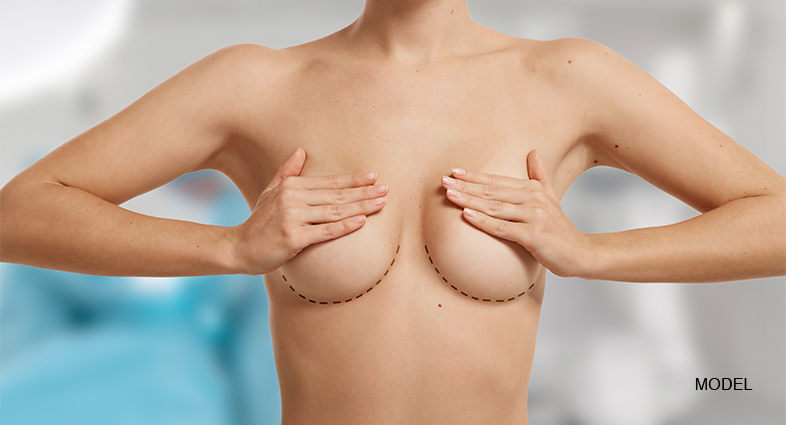
- Breasts (augmentation or reconstruction)
- Buttocks (Brazilian Butt Lift or BBL)
- Hands (to rejuvenate aging skin)
This procedure is favored for being minimally invasive, using your own tissue (thus reducing allergic reactions), and offering natural-looking results.
How Long Does Fat Grafting Last?
Now to the core question: How long do fat grafts last?
The short answer? Fat grafting results can last anywhere from several years to a lifetime with proper technique, post-operative care, and individual biological factors playing major roles.
However, not all the fat that is transferred will survive. On average:
- 50% to 70% of the injected fat survives long-term
- The body reabsorbs 30% to 50% within the first 3 to 6 months
- The fat that does survive typically stays permanently
So, do fat transfers last? Yes, but with some caveats. It’s essential to understand that initial swelling and fullness will diminish as some of the grafted fat is naturally metabolized by your body. Once the surviving fat cells establish a blood supply in their new location, they remain there just like fat in any other part of your body.
Week 1: Total Rest & Light Movement
In the first 7 days after liposuction, your body needs time to recover from the initial trauma of surgery. You’ll likely experience swelling, soreness, bruising, and some fatigue.
What You Can Do:
- Short, gentle walks around your house every few hours
- Light stretching (no bending or twisting)
- Deep breathing exercises to reduce fluid buildup
What to Avoid:
- Any structured workout
- Lifting weights
- Bending or straining
- Getting your heart rate up
Tip from Marin Aesthetics: Stay hydrated and wear your compression garments consistently during this time. They’re vital for reducing swelling and shaping your results.
Week 2 to 3: Reintroducing Gentle Exercise
By the second or third week, many patients feel well enough to do light activities. The swelling and discomfort should have reduced significantly.
Best Exercise After Liposuction During This Phase:
- Walking outside or on a treadmill
- Light elliptical machine work (no resistance)
- Low-impact yoga (without inversions or core strain)
- Breathing-focused Pilates
Goals During This Phase:
- Improve circulation
- Prevent stiffness
- Ease back into your routine
Caution: Avoid any movement that engages the treated areas intensely — especially if you had liposuction on the abdomen, thighs, or arms.
Week 4 to 5: Gradual Return to Moderate Activity
By now, your body is stronger, and swelling should be greatly reduced. This is the phase where you can slowly begin returning to a regular workout after liposuction, but still with caution.
What to Include:
- Moderate walking or cycling
- Light weight training (avoid core or high-impact work)
- Resistance band exercises
- Swimming (only if incisions are completely healed)
What to Avoid:
- Running or jumping
- High-intensity interval training (HIIT)
- Core-heavy movements like planks or crunches (if abs were treated)
Marin Aesthetics Reminder: Listen to your body. If a certain movement causes discomfort, wait another week before trying again.
Week 6 and Beyond: Back to Full Workouts — With Modifications
After six weeks (or as cleared by your surgeon), most patients can resume their normal workouts. That said, some areas may still feel sensitive, and overtraining can compromise results.
Best Practices:
- Start with 50-70% of your normal intensity
- Focus on form rather than speed or weight
- Gradually reintroduce cardio, core, and strength workouts
- Use foam rollers or massage to help with lingering tightness
Best Exercise After Liposuction for Long-Term Success:
- Strength training: Builds lean muscle, which improves tone and maintains fat loss
- Pilates or barre: Enhances posture and muscle control, great for tightening areas like the stomach or thighs
- Low-impact cardio: Protects joints while boosting heart health
- HIIT (after 8+ weeks): Once fully recovered, it’s a great way to stay lean
Key Influencing Factors for Longevity
- Surgical technique: Precision in harvesting, purification, and reinjection determines fat survival.
- Post-op care: Smoking, compression, and pressure on the graft site can all affect fat survival.
- Metabolism and age: Younger, healthier patients tend to retain more fat.
- Lifestyle: Sudden weight loss or gain can impact the transferred fat similarly to native fat.
- Area of injection: Facial fat grafting often lasts longer due to smaller injection volumes and higher vascularity.
What to Expect Immediately After Fat Transfer
Understanding the timeline of your results can help manage expectations. Here’s what you can expect post-procedure:
- Week 1–3: Swelling, bruising, and some tenderness are normal.
- Month 1–3: Swelling resolves, and some fat is naturally absorbed.
- Month 3–6: Final results begin to take shape.
- Month 6+: Long-term fat begins to settle and stabilize.
At Marin Aesthetics, we prepare our patients with realistic expectations about the “settling” phase and how final contours may appear different from the immediate post-op look. This transition is natural and necessary for optimal outcomes.
Do Fat Transfers Last Longer Than Fillers or Implants?
When comparing fat grafting to dermal fillers or implants, fat transfers stand out in terms of longevity.
Method | Longevity | Pros | Con |
Fat Grafting | 5–10 years or permanent | Natural, no foreign material, long-term | Requires surgical procedure |
Dermal Fillers | 6–18 months | Non-surgical, quick fix | Temporary, requires repeat sessions |
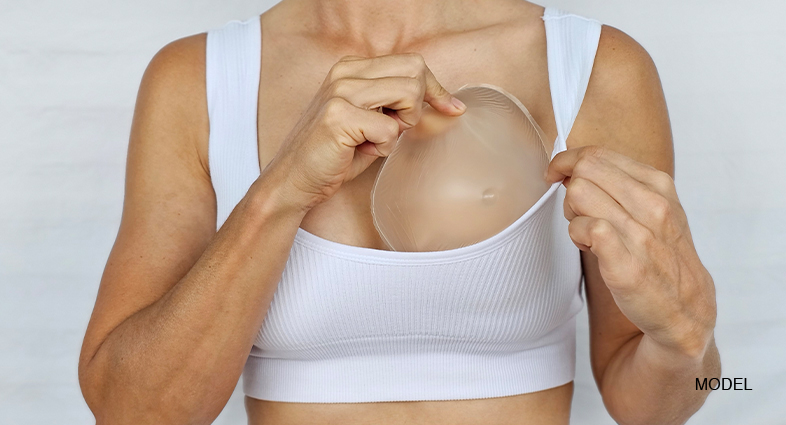
| Implants | 10–20 years (may require replacement) | Immediate volume, predictable shape | May cause rippling or shift over time |
So if you’re weighing your options, remember: fat grafting offers longer-lasting and more natural results than most temporary injectables.
How to Maximize the Longevity of Your Fat Grafts
While a skilled surgeon like those at Marin Aesthetics plays a critical role, your behavior after surgery also affects how long fat grafting lasts. Here’s what you can do:
Follow Post-Operative Instructions
Avoid sleeping on or putting pressure on the grafted area for the first few weeks.
Maintain a Stable Weight
Significant weight loss or gain can shrink or enlarge the grafted fat cells, altering your results.
Avoid Smoking and Alcohol
Both can reduce circulation, compromising fat survival.
Stay Hydrated and Eat a Balanced Diet
Nutrients aid tissue healing and fat cell integration.
Be Patient
It may take 3 to 6 months to see the final contour. Don’t rush into touch-ups too soon.
When Will I Need a Touch-Up?
It’s common to undergo more than one fat grafting session to achieve ideal volume, especially in areas like the buttocks or breasts where larger volumes are transferred.
Touch-ups are typically considered:
- 6 months after the initial procedure
- If more volume is desired
- In case of fat reabsorption higher than expected
Marin Aesthetics creates a personalized plan to minimize reoperation and maximize satisfaction.
Is Fat Grafting Permanent?
To clarify, the fat that survives becomes permanent, just like the rest of the fat cells in your body. However, because fat is a living tissue, it behaves like your body’s own fat:
- If you gain weight, the graft may grow.
- If you lose weight, it may shrink.
- It ages like the rest of your tissue.
So while it’s not “immune” to time and aging, properly integrated fat grafts can last a lifetime.
Is Fat Grafting Right for You?
- Ideal candidates for fat grafting are:
- Non-smokers in good health
- Have enough donor fat
- Looking for a natural alternative to implants or fillers
Willing to maintain stable body weight
Marin Aesthetics offers a custom consultation to assess your goals, anatomy, and expectations before recommending fat transfer as the optimal solution.
Conclusions: Are the Results Worth It?
So, how long does fat grafting last? With proper planning, expert execution, and patient aftercare, fat grafting can offer results that last for years, sometimes a lifetime.
It’s not just about aesthetics. It’s about confidence, reclaiming your body, and achieving harmony between how you look and how you feel.
At Marin Aesthetics, we specialize in personalized, cutting-edge techniques that maximize fat survival and ensure patient satisfaction. Whether you’re interested in subtle facial rejuvenation or dramatic body contouring, our team is here to guide you every step of the way.
FAQS
1. How long do fat grafts last in the face?
Facial fat grafts can last 5–10 years or longer, especially in areas with good blood supply. Some patients retain their results permanently with proper care.
2. Do fat transfers last longer in the breasts or buttocks?
Fat transfers to larger areas like the breasts or buttocks often have more variable results. 50–70% of the fat typically survives, and maintenance sessions may be recommended.
3. How can I tell if my fat graft is failing?
Excessive volume loss, hard lumps, or asymmetry might signal poor graft retention. Follow-up with your surgeon for evaluation.
4. Can I combine fat grafting with other procedures?
Absolutely. Many patients combine fat grafting with facelifts, tummy tucks, or breast lifts for more comprehensive results.
5. Is fat grafting safe?
Yes, especially when performed by a board-certified plastic surgeon like those at Marin Aesthetics. Since your own fat is used, the risk of allergic reaction or rejection is minimal.