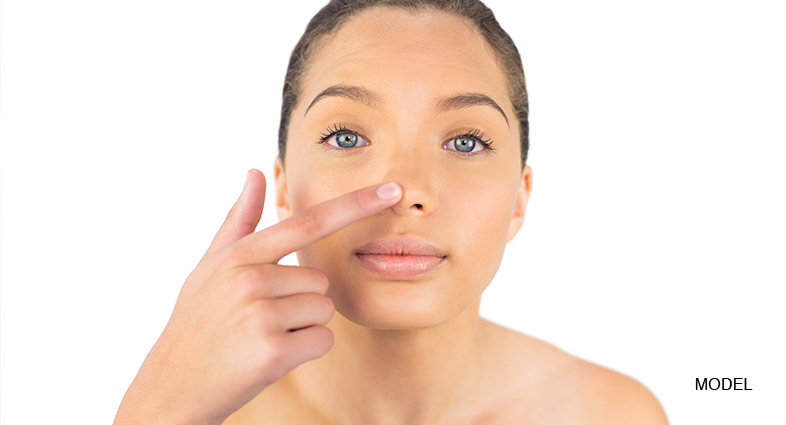


When searching for revision rhinoplasty near me, most patients have already experienced disappointment after an initial nose surgery. Whether the concern is cosmetic, functional, or both, revision rhinoplasty provides an opportunity to correct previous surgical outcomes and restore facial harmony.
At Marin Aesthetics, we understand how emotionally and physically challenging it can be to undergo another nasal procedure. Our team approaches every revision rhinoplasty with precision, advanced surgical planning, and a commitment to achieving results that look natural while improving breathing and overall facial balance.
Unlike primary rhinoplasty, revision rhinoplasty requires specialized expertise due to scar tissue, altered anatomy, and limited cartilage availability. Every correction demands individualized planning and meticulous surgical execution.
If you are considering corrective nose surgery, this comprehensive guide explains everything you need to know—from candidacy and procedures to recovery and expected results.
Why Patients Search for Revision Rhinoplasty Near Me
Patients seek revision rhinoplasty for many different reasons. In some cases, the first surgery simply did not meet expectations. In others, complications developed during healing.
Common reasons include:
- Persistent breathing problems
- Crooked nasal appearance
- Collapsed nasal bridge
- Pinched nostrils
- Uneven nasal tip
- Over-resected nose
- Visible asymmetry
- Scar tissue distortion
- Unsatisfactory cosmetic outcome
- Trauma after previous rhinoplasty
Revision rhinoplasty focuses on correcting these concerns while preserving or restoring proper nasal function.
What Is Revision Rhinoplasty?
Revision rhinoplasty is a specialized surgical procedure designed to improve the appearance and function of a nose that has previously undergone rhinoplasty.
Unlike an initial rhinoplasty, revision surgery involves working around:
- Existing scar tissue
- Previous cartilage removal
- Altered bone structures
- Reduced tissue flexibility
- Healing irregularities
Because of these factors, revision rhinoplasty is widely considered one of the most technically demanding facial plastic surgeries.
At Marin Aesthetics, every revision procedure begins with a comprehensive consultation and detailed surgical analysis to determine the safest and most effective treatment plan.
Signs You May Need Revision Rhinoplasty
Not every imperfect result requires surgery. However, patients may benefit from revision if they experience:
Difficulty Breathing
Internal structural issues may restrict airflow after previous surgery.
Common causes include:
- Deviated septum
- Valve collapse
- Scar tissue obstruction
- Excessive cartilage removal
Visible Cosmetic Concerns
Patients often seek correction for:
- Crooked bridge
- Hanging tip
- Bulbous tip
- Saddle nose deformity
- Overly narrow nose
- Twisted appearance
Functional Problems
Your nose should look beautiful while functioning properly.
Revision rhinoplasty can restore:
- Comfortable breathing
- Nasal support
- Stable cartilage structure
- Proper airflow
Why Revision Rhinoplasty Is More Complex
Primary rhinoplasty involves working with untouched anatomy.
Revision rhinoplasty is entirely different.
Surgeons must carefully manage:
- Scar tissue
- Missing cartilage
- Weakened nasal framework
- Compromised blood supply
- Altered anatomy
This requires advanced surgical judgment and extensive experience.
The Consultation Process at Marin Aesthetics
Every successful revision rhinoplasty begins with a thorough consultation.
During your visit, we evaluate:
- Previous surgical records
- Current nasal structure
- Facial proportions
- Skin thickness
- Breathing function
- Cosmetic goals
- Internal nasal anatomy
Digital imaging may also help visualize potential improvements while ensuring realistic expectations.
Who Is a Good Candidate?
Ideal candidates for revision rhinoplasty near me include individuals who:
- Are dissatisfied with previous rhinoplasty
- Have completed healing from prior surgery
- Are generally healthy
- Do not smoke
- Have realistic expectations
- Experience cosmetic or functional concerns
Most surgeons recommend waiting 12 to 18 months after your original rhinoplasty before considering revision surgery to allow complete healing.
Common Problems Corrected During Revision Rhinoplasty
Crooked Nose
Residual asymmetry can occur due to healing or inadequate structural support.
Revision surgery realigns the nasal framework for improved symmetry.
Collapsed Bridge
Excessive cartilage removal may cause a flattened appearance.
Cartilage grafting restores projection and support.
Pinched Tip
An overly narrow tip often develops after aggressive cartilage removal.
Structural grafts rebuild the natural contour.
Breathing Obstruction
Internal nasal valve collapse frequently contributes to breathing difficulties.
Functional correction restores airflow while preserving cosmetic improvements.
Over-Projected or Under-Projected Nose
Revision surgery carefully adjusts nasal projection to improve facial harmony.
Cartilage Grafting in Revision Rhinoplasty
Many revision procedures require cartilage grafts.
Sources include:
Septal Cartilage
Preferred when sufficient cartilage remains.
Ear Cartilage
Provides flexible support with minimal donor-site visibility.
Rib Cartilage
Ideal for extensive reconstruction requiring strong structural support.
Each graft is carefully shaped to reinforce weakened areas while maintaining natural contours.
Open vs. Closed Revision Rhinoplasty
Open Technique
Benefits include:
- Maximum visibility
- Precise correction
- Better graft placement
- Ideal for complex revisions
Closed Technique
Suitable for select patients requiring smaller adjustments.
Benefits include:
- No external incision
- Less swelling
- Faster recovery
Your surgeon determines the best approach based on your anatomy and surgical goals.
The Revision Rhinoplasty Procedure
Most surgeries involve:
- General anesthesia
- Careful scar tissue release
- Structural reconstruction
- Cartilage graft placement
- Bone reshaping if necessary
- Tip refinement
- Functional airway correction
- Precise closure
Depending on complexity, surgery may last between 3 and 6 hours.
Recovery After Revision Rhinoplasty
Recovery often progresses more slowly than primary rhinoplasty because of previous surgery.
First Week
- Splint remains in place
- Swelling and bruising peak
- Mild discomfort
- Nasal congestion
Weeks Two to Four
- Bruising fades
- Swelling gradually improves
- Return to work for many patients
Months One to Six
- Continued refinement
- Improved breathing
- Reduced swelling
One Year and Beyond
Final results continue to emerge as tissues fully settle.
Patience is essential during recovery.
Tips for a Smooth Recovery
We recommend:
- Sleep with your head elevated
- Avoid strenuous exercise
- Protect your nose from impact
- Stay hydrated
- Follow all postoperative instructions
- Attend every follow-up appointment
- Avoid smoking
- Limit sun exposure
These habits support healthy healing and long-term results.
Benefits of Choosing Marin Aesthetics for Revision Rhinoplasty
At Marin Aesthetics, we recognize that revision rhinoplasty requires exceptional attention to detail and individualized care.
Patients choose our practice because we emphasize:
- Comprehensive evaluations
- Personalized surgical planning
- Advanced reconstructive techniques
- Functional and cosmetic correction
- Natural-looking outcomes
- Compassionate patient support
- Long-term follow-up care
Our goal is to restore confidence while creating a nose that complements your unique facial features.
How Long Do Revision Rhinoplasty Results Last?
Once healing is complete, revision rhinoplasty provides long-lasting improvements.
Results generally remain stable for many years, especially when:
- Structural support is restored
- Proper healing occurs
- Nasal trauma is avoided
- Healthy lifestyle habits are maintained
While natural aging continues, the surgical improvements are designed to be durable.
How to Choose the Right Revision Rhinoplasty Surgeon
Searching for revision rhinoplasty near me should involve more than comparing locations.
Consider surgeons who offer:
- Extensive revision experience
- Before-and-after galleries
- Functional nasal expertise
- Personalized consultations
- Comprehensive treatment plans
- Strong patient reviews
- Clear communication
Choosing the right surgeon significantly influences your outcome.
Why Patients Trust Marin Aesthetics
Choosing revision rhinoplasty is an important decision that deserves thoughtful planning and experienced care. At Marin Aesthetics, we combine advanced reconstructive techniques with personalized treatment plans to address both cosmetic concerns and functional challenges. Our focus is on restoring balance, improving breathing when needed, and achieving results that complement your natural facial features.
Whether your goal is correcting asymmetry, rebuilding nasal support, or refining a previous surgical outcome, our team is committed to guiding you through every step of the process with compassion, transparency, and precision.
Conclusion
Searching for revision rhinoplasty near me is about finding a practice that understands the complexity of corrective nasal surgery and prioritizes both form and function. Revision rhinoplasty offers the opportunity to improve the results of a previous procedure, enhance breathing, and restore confidence with a carefully tailored surgical approach.
At Marin Aesthetics, we are dedicated to delivering individualized care, advanced surgical expertise, and natural-looking outcomes. If you are considering revision rhinoplasty, a personalized consultation can help determine the best path toward achieving your aesthetic and functional goals.
FAQS
1. How long should I wait before revision rhinoplasty?
Most patients should wait 12 to 18 months after their initial rhinoplasty to allow complete healing before pursuing revision surgery.
2. Is revision rhinoplasty more painful?
Most patients report discomfort similar to or only slightly greater than their first rhinoplasty. Pain is generally well managed with prescribed medication.
3. Will insurance cover revision rhinoplasty?
Insurance may provide coverage if the procedure corrects documented breathing problems or structural abnormalities. Cosmetic revisions are typically considered elective.
4. Can breathing improve after revision rhinoplasty?
Yes. Revision surgery frequently addresses internal nasal obstruction, collapsed valves, and septal deviations, helping restore normal airflow.
5. How long does swelling last?
Most swelling improves during the first few months, but subtle swelling—especially around the nasal tip—can continue to resolve for up to 18 months.