

Introduction
Are you seeking a more natural, subtle enhancement to your breasts without implants? You’re not alone. More women today are turning to fat transfer breast augmentation, a revolutionary procedure that uses your body’s own fat to shape, contour, and volumize the breasts without the use of artificial implants. This technique, offered by Marin Aesthetics, provides a safe, minimally invasive, and natural-looking alternative for those desiring breast enhancement without the risks or aesthetics of traditional implants.
In this article, we’ll explore what fat transfer breast augmentation is, how it works, who’s a good candidate, the benefits and potential downsides, and what you can expect before, during, and after the procedure. We’ll also compare it to traditional breast augmentation surgeries and answer the most frequently asked questions to help you make an informed decision.
What Is Fat Transfer Breast Augmentation?
Today’s aesthetic goals are shifting. Many women now prefer subtlety, natural beauty, and treatments that integrate seamlessly with their bodies. Here’s why fat transfer breast augmentation is gaining popularity:
1. No Foreign Materials
One of the top reasons patients choose fat transfer is to avoid implants. For those concerned about implant rupture, capsular contracture, or other implant-related complications, fat transfer offers a natural alternative that uses your own tissue.
2. Dual Contouring Effect
Because the procedure involves liposuction, patients enjoy body sculpting in areas with stubborn fat (like love handles or belly), while simultaneously enhancing their breasts. It’s a 2-in-1 solution for a more balanced and contoured physique.
3. Natural-Looking Results
The outcome of fat grafting is softer and more natural than implants. The breasts look and feel real because they are really just enhanced by repositioning your own fat.
4. Minimal Scarring
Fat is injected using a thin cannula, leaving virtually no visible scars. This is especially appealing for women concerned about post-surgical marks.
5. Lower Risk of Complications
Unlike implant surgeries, there’s no risk of implant-related complications, and the chances of infection, rejection, or rupture are significantly reduced.
Ideal Candidates for Fat Transfer Breast Augmentation
At Marin Aesthetics, a thorough consultation is conducted to determine whether you’re a good candidate for fat transfer. Generally, you may qualify if you:
- Want a modest increase in breast size (1-2 cup sizes)
- Have enough donor fat in areas like the thighs, abdomen, or flanks
- Are in good general health
- Prefer a natural look over a dramatic change
- Are not interested in breast implants
- Have realistic expectations
This procedure is especially ideal for post-pregnancy body rejuvenation, minor asymmetry correction, or enhancing breast shape after explant surgery.
The Fat Transfer Procedure: Step-by-Step
Understanding the procedure can help reduce anxiety and prepare you for a smooth experience.
Step 1: Consultation
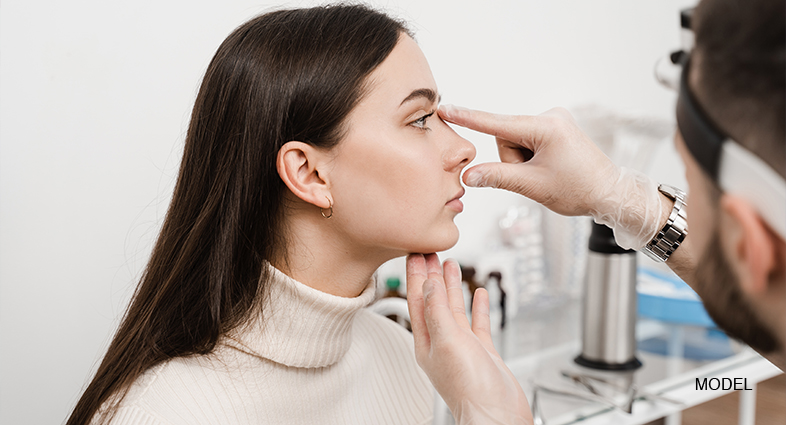
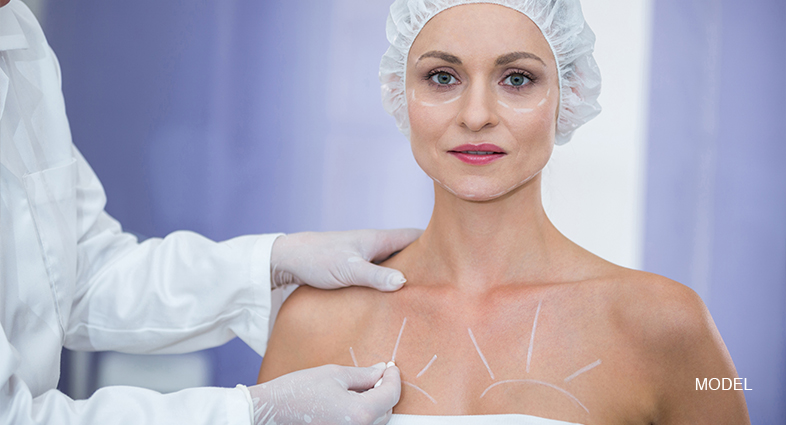
Your journey begins with a comprehensive consultation at Marin Aesthetics. Your surgeon will:
- Assess your goals
- Examine your breast tissue and fat availability
- Discuss your medical history
- Customize a treatment plan tailored to your body
Step 2: Liposuction (Harvesting the Fat)
Under anesthesia, liposuction is performed on predetermined donor areas. Common donor sites include:
- Abdomen
- Thighs
- Flanks
- Buttocks
The harvested fat is then purified using a centrifuge or filtration system to isolate viable fat cells.
Step 3: Fat Injection
Using a fine cannula, the purified fat is carefully injected into various layers of the breast tissue. This technique ensures even distribution, shape enhancement, and volume control.
Step 4: Recovery
Most patients can return home the same day. Downtime is typically 5–7 days, with minimal discomfort. Swelling and bruising may occur in both the donor and injection sites but usually subside within a few weeks.
Recovery and Aftercare
Recovering from fat transfer breast augmentation is generally smoother than traditional implant-based surgeries. Here’s what to expect:
Immediate Post-Op
- Compression garments are worn around the liposuction sites
- You’ll need to avoid pressure on the breasts (no sleeping on your stomach)
- Mild swelling and bruising are normal
Weeks 1–2
- Light activities can resume after a few days
- Avoid heavy lifting or strenuous exercise
- Fat survival is critical in this period, so follow your surgeon’s post-op guidelines strictly
Months 1–3
- Fat grafts stabilize and integrate into the surrounding tissue
- Final results are typically visible by 3–6 months
Long-Term Results: How Long Does It Last?
One of the most common questions is about fat retention.
Typically, 60–80% of the transferred fat survives, while the rest is reabsorbed by the body within the first few months. The surviving fat cells remain permanently so the volume increase is long-lasting. However, future weight fluctuations can impact the size of your breasts.
Follow-up sessions or touch-ups may be necessary for optimal symmetry and volume enhancement.
Fat Transfer vs. Breast Implants: A Comparison
| Feature | Fat Transfer | Breast Implants |
| Material Used | Your own fat | Silicone or saline |
| Volume Increase | Modest (1-2 Cup Sized) | Moderated to large |
| Feel & Appearance | Natural | Varies by implant |
| Longevity | Long-lasting with stable weight | Long-lasting but may need replacement |
| Scarring | Minimal | Incision Scars |
| Recovery Time | Shorter | Longer |
| Risks | Low | Capsular contracture, rupture, etc. |
Potential Risks and Considerations
Like any medical procedure, fat transfer breast augmentation is not without risks. These include:
- Fat reabsorption (partial loss of volume)
- Fat necrosis (firm lumps of dead fat cells)
- Oil cysts
- Asymmetry
- Need for additional sessions
Choosing a skilled and experienced plastic surgeon, like the team at Marin Aesthetics, significantly reduces these risks.
Why Choose Marin Aesthetics for Fat Transfer Breast Augmentation?
At Marin Aesthetics, we believe that your beauty journey should reflect your individual body, lifestyle, and aesthetic preferences. Here’s what sets us apart:
- Board-certified plastic surgeons with extensive experience in fat grafting
- Advanced techniques for maximal fat survival
- A personalized, patient-first approach
- State-of-the-art facilities in San Diego
- Exceptional pre- and post-operative care
We specialize in natural enhancements that empower our clients to feel confident and radiant in their skin.
Conclusion: Is Fat Transfer Breast Augmentation Right for You?
If you’re seeking a natural, subtle, and safe approach to breast enhancement, fat transfer breast augmentation may be your ideal solution. With the added benefit of body contouring and no foreign implants, this procedure delivers long-lasting, beautiful results that are entirely your own.
At Marin Aesthetics, we are proud to offer expert care in non-implant breast augmentation, helping you achieve the figure you’ve always wanted naturally.
Ready to take the next step? Schedule a consultation with our expert team today and discover how fat transfer can beautifully transform your body and confidence.
FAQS
1. How much fat is needed for breast augmentation?
Generally, around 300–500 cc of fat is required per breast for moderate augmentation. However, this depends on your body and desired results.
2. Can I have fat transfer if I’m very lean?
You need to have sufficient donor fat, so extremely lean individuals may not be ideal candidates. A consultation at Marin Aesthetics will determine your eligibility.
3. Is fat transfer breast augmentation permanent?
Yes, the fat that survives after reabsorption becomes a permanent part of your breast tissue. Results are stable with a consistent weight.
4. Can fat transfer correct asymmetrical breasts?
Yes. Fat grafting is excellent for correcting mild to moderate breast asymmetry and for refining the shape.
5. What happens if I lose weight after the procedure?
Significant weight loss can reduce the volume of the transferred fat, potentially affecting results. Maintaining a stable weight helps preserve your outcome.