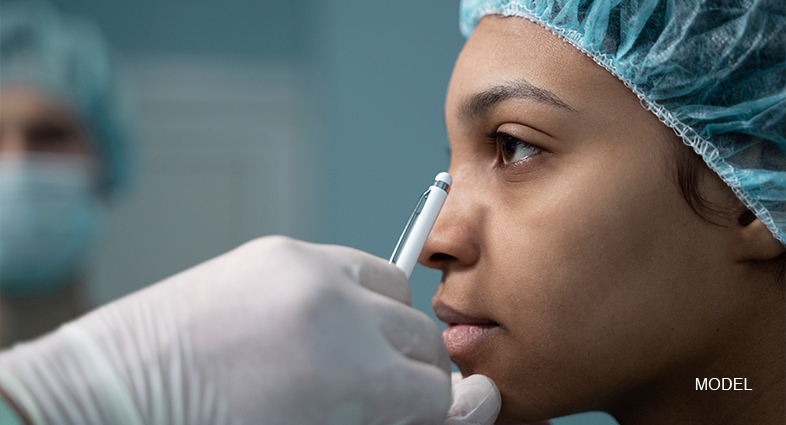


Introduction: Correcting Complex Nose Surgery Results
Many patients seek improvement after an unsatisfactory nose surgery. Results sometimes change over time. In other cases, the initial procedure leaves structural problems. Therefore, patients often explore cartilage grafting for revision rhinoplasty San Diego.
Revision procedures require advanced surgical precision. Surgeons must rebuild nasal support while refining shape, making cartilage grafting a key part of the process.
Moreover, experienced specialists combine artistry and medical expertise.The goal is to restore both nasal appearance and breathing function. Clinics such as Marin Aesthetics focus on personalized surgical planning. Consequently, patients receive solutions designed for their unique anatomy.
This guide explains how cartilage grafting improves revision rhinoplasty outcomes.
Understanding Cartilage Grafting in Revision Rhinoplasty
Cartilage grafts restore weakened areas, improve symmetry, and enhance airflow.
First, cartilage restores weakened areas. Second, grafts rebuild nasal symmetry. Third, they enhance breathing pathways.
Revision rhinoplasty often requires rebuilding damaged structures. Therefore, cartilage grafting plays an essential role.
Additionally, grafts support delicate nasal tissues. Without reinforcement, tissues collapse over time. Cartilage prevents this complication.
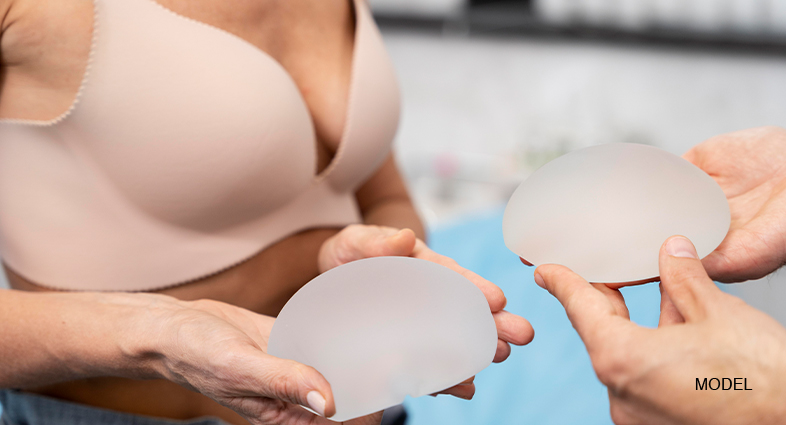
Surgeons commonly harvest cartilage from three sources:
- Nasal septum
- Ear cartilage
- Rib cartilage
Each option serves specific structural needs. However, surgeons choose the best source after detailed evaluation.
Consequently, cartilage grafting ensures long-lasting stability during revision rhinoplasty San Diego procedures.
Why Patients Need Revision Rhinoplasty
Primary rhinoplasty sometimes produces unexpected results. Healing patterns vary between patients. Therefore, structural changes may appear months later.
Several concerns lead patients to consider revision rhinoplasty.
Common Reasons for Secondary Nose Surgery
- Collapsed nasal bridge
- Crooked nose shape
- Breathing obstruction
- Over-reduced nasal tip
- Visible asymmetry
Scar tissue can also complicate revision procedures, requiring surgeons to work carefully around altered anatomy.
However, cartilage grafting helps overcome these challenges. The grafts rebuild missing support structures. Consequently, surgeons achieve smoother and stronger results.
How Cartilage Grafting Restores Nasal Structure
Cartilage grafting rebuilds the nose from within. Surgeons place small cartilage pieces to reshape the nasal framework.
Each graft serves a specific structural purpose.
1. Structural Support
Cartilage strengthens weak nasal areas. Surgeons reinforce the bridge or tip when tissue becomes unstable.
2. Improved Nasal Symmetry
Grafts balance uneven features. Therefore, the nose appears more natural and harmonious.
3. Enhanced Breathing Function
Collapsed internal valves restrict airflow. Cartilage grafts reopen these passages effectively.
4. Long-Term Stability
Soft tissue alone cannot maintain shape. Cartilage provides durable structural reinforcement.
Because of these benefits, cartilage grafting remains essential for successful revision rhinoplasty san diego procedures.
Types of Cartilage Grafts Used in Revision Rhinoplasty
Surgeons use several graft designs during revision procedures. Each type addresses specific nasal issues.
Spreader Grafts
Spreader grafts widen the middle nasal vault. Consequently, they improve airflow and bridge symmetry.
These grafts also stabilize nasal bones after previous surgery.
Columellar Strut Grafts
A columellar strut strengthens the nasal tip. Surgeons place this graft between the nostrils.
Therefore, the tip maintains projection and support.
Shield Grafts
Shield grafts refine the nasal tip shape. They create sharper definition while maintaining natural softness.
Alar Batten Grafts
These grafts support weak nasal sidewalls. They prevent collapse during breathing.
Dorsal Onlay Grafts
Dorsal grafts enhance the nasal bridge. Surgeons place them along the nose to restore height.
Because every case differs, surgeons combine multiple graft types when needed.
Cartilage Sources for Grafting
Selecting the correct cartilage source remains critical. Surgeons evaluate strength, flexibility, and availability.
Septal Cartilage
- Septal cartilage often serves as the first choice. It sits within the nasal septum.
- This cartilage offers excellent strength and straightness.
- However, previous surgery may remove this resource. In such cases, surgeons explore other options.
Ear Cartilage
- Ear cartilage provides natural curvature. Therefore, surgeons use it for delicate tip refinement.
- The ear maintains its appearance after harvesting. Consequently, the donor site heals discreetly.
Rib Cartilage
- Rib cartilage offers the strongest structural support. Surgeons use it when large reconstruction becomes necessary.
- Moreover, rib grafts provide abundant material for complex cases.
- However, rib harvesting requires specialized surgical expertise.
The Revision Rhinoplasty Surgical Process
Revision rhinoplasty requires extensive planning. Surgeons carefully analyze previous surgical changes.
Consultation and Assessment
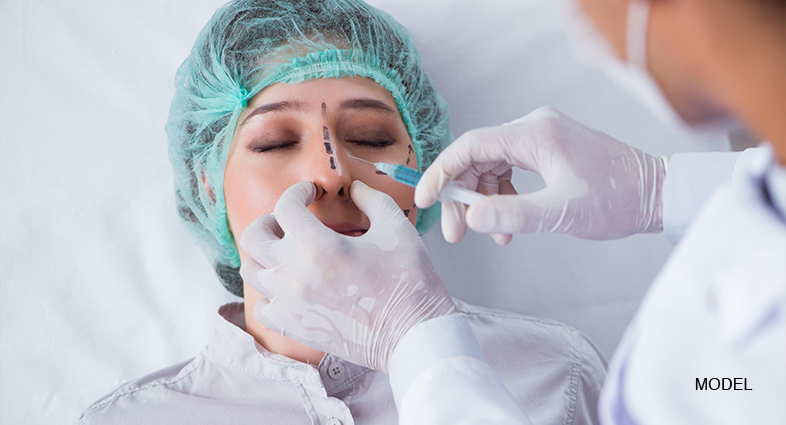
The process begins with a detailed consultation. Surgeons evaluate nasal structure and breathing function.
They also review surgical history. Consequently, they identify areas needing correction.
Imaging and Surgical Planning
Digital imaging helps visualize expected results. Therefore, patients gain a clear understanding of improvements.
Additionally, surgeons design personalized cartilage graft strategies.
Surgical Procedure
During surgery, surgeons access nasal structures carefully. Scar tissue requires delicate handling.
Next, they reshape the nose using cartilage grafting techniques.
Finally, surgeons refine external contours for natural balance.
Because of this meticulous approach, experienced specialists achieve excellent cartilage grafting outcomes.
Benefits of Cartilage Grafting for Revision Rhinoplasty
Cartilage grafting offers several advantages for complex nose corrections.
Natural-Looking Results
Cartilage integrates seamlessly with existing tissue. Therefore, results appear natural rather than artificial.
Improved Structural Integrity
The grafts strengthen nasal support structures. Consequently, the nose maintains shape over time.
Better Breathing Function
Functional correction improves airflow dramatically. Many patients notice immediate breathing relief.
Long-Term Stability
Unlike synthetic materials, cartilage adapts naturally. Therefore, results last longer.
These benefits explain why experts rely on cartilage grafting during revision rhinoplasty san diego treatments.
Recovery After Revision Rhinoplasty
Recovery timelines vary between patients. However, most follow predictable healing stages.
First Week
Swelling and mild bruising appear initially. Patients typically wear a nasal splint during this period.
Weeks Two to Four
Bruising gradually fades. Swelling decreases significantly during this stage.
Patients usually return to normal activities.
Long-Term Healing
Final results develop gradually. Subtle swelling may persist for several months.
However, cartilage grafts stabilize the structure during healing.
Following post-surgical instructions improves recovery outcomes.
Choosing the Right Surgeon for Revision Rhinoplasty
Revision surgery requires advanced surgical expertise. Therefore, patients should research carefully.
Important considerations include:
- Board certification
- Extensive revision experience
- Before-and-after photo galleries
- Patient testimonials
- Personalized consultations
Specialized clinics like Marin Aesthetics focus on complex facial procedures.
Their experienced teams design customized surgical solutions. Consequently, patients achieve balanced and refined results.
Tips for Achieving the Best Revision Rhinoplasty Outcome
Preparation plays a key role in surgical success.
Choose an Experienced Specialist
Revision rhinoplasty demands specialized expertise. Therefore, selecting an experienced surgeon remains essential.
Follow Pre-Surgery Instructions
Surgeons often recommend avoiding certain medications. Additionally, healthy habits improve healing.
Maintain Realistic Expectations
Revision surgery improves structure significantly. However, perfect symmetry rarely exists in natural anatomy.
Follow Post-Operative Care Guidelines
Proper aftercare supports optimal healing. Patients should attend all follow-up visits.
These steps help ensure successful cartilage grafting outcomes.
Conclusion: Restoring Balance and Confidence
Revision rhinoplasty demands precision and expertise. Previous surgery often alters nasal anatomy significantly.
However, cartilage grafting for revision rhinoplasty San Diego provides reliable structural solutions. Surgeons rebuild weakened areas using natural tissue.
This technique improves both aesthetics and breathing function. Moreover, cartilage ensures long-term stability.
Experienced specialists combine medical skill with artistic vision. Consequently, patients regain facial harmony and confidence.
Clinics such as Marin Aesthetics emphasize personalized surgical strategies.
Their expertise helps patients achieve refined and natural results.
Ultimately, cartilage grafting transforms complex revision cases into successful outcomes.
FAQS
1. What is cartilage grafting in revision rhinoplasty?
Cartilage grafting rebuilds nasal structures during secondary nose surgery. Surgeons use cartilage pieces to strengthen and reshape the nose.
2. Why is cartilage grafting important for revision rhinoplasty San Diego procedures?
Previous surgeries weaken nasal support. Cartilage grafting restores structural integrity and improves breathing.
3. Where does cartilage come from during revision rhinoplasty?
Surgeons usually harvest cartilage from the septum, ear, or rib. The chosen source depends on surgical needs.
4. Is recovery longer after revision rhinoplasty?
Recovery may take slightly longer than primary rhinoplasty. However, most swelling improves within several weeks.
5. How long do cartilage grafting results last?
Cartilage grafts integrate with natural tissue. Therefore, results typically last for many years with proper healing.