

How To Prevent Sagging Breasts
Sagging breasts are a common concern for many women, particularly as they age, experience pregnancy, or undergo significant weight changes. Known medically as breast ptosis, this natural process can lead to changes in confidence and body image. The good news? There are effective ways to prevent sagging breasts and maintain a youthful, perky silhouette for longer.
In this comprehensive guide, Marin Aesthetics explores how to prevent sagging breasts, from lifestyle adjustments to advanced medical options like sagging breast surgery. Whether you’re in your 20s, 30s, or beyond, the strategies discussed here can help you make informed choices for your breast health.
What Causes Sagging Breasts?
Before we explore how to prevent sagging breasts, it’s essential to understand why breasts sag in the first place.
Main Factors Behind Breast Sagging
- Aging: As women age, skin elasticity decreases due to collagen and elastin breakdown.
- Gravity: Continuous downward pull gradually stretches breast ligaments.
- Weight Fluctuations: Repeated weight gain and loss can stretch breast tissue.
- Pregnancy and Breastfeeding: Hormonal changes and milk production can lead to breast volume changes.
- Smoking: Smoking damages skin proteins, accelerating sagging.
- Genetics: Breast composition, skin quality, and ligament strength are often inherited.
While sagging is a natural part of aging, many of these factors can be addressed to prevent breast sagging or slow its progression.
Week 1: Total Rest & Light Movement
In the first 7 days after liposuction, your body needs time to recover from the initial trauma of surgery. You’ll likely experience swelling, soreness, bruising, and some fatigue.
What You Can Do:
- Short, gentle walks around your house every few hours
- Light stretching (no bending or twisting)
- Deep breathing exercises to reduce fluid buildup
What to Avoid:
- Any structured workout
- Lifting weights
- Bending or straining
- Getting your heart rate up
Tip from Marin Aesthetics: Stay hydrated and wear your compression garments consistently during this time. They’re vital for reducing swelling and shaping your results.
Week 2 to 3: Reintroducing Gentle Exercise
By the second or third week, many patients feel well enough to do light activities. The swelling and discomfort should have reduced significantly.
Best Exercise After Liposuction During This Phase:
- Walking outside or on a treadmill
- Light elliptical machine work (no resistance)
- Low-impact yoga (without inversions or core strain)
- Breathing-focused Pilates
Goals During This Phase:
- Improve circulation
- Prevent stiffness
- Ease back into your routine
Caution: Avoid any movement that engages the treated areas intensely — especially if you had liposuction on the abdomen, thighs, or arms.
Week 4 to 5: Gradual Return to Moderate Activity
By now, your body is stronger, and swelling should be greatly reduced. This is the phase where you can slowly begin returning to a regular workout after liposuction, but still with caution.
What to Include:
- Moderate walking or cycling
- Light weight training (avoid core or high-impact work)
- Resistance band exercises
- Swimming (only if incisions are completely healed)
What to Avoid:
- Running or jumping
- High-intensity interval training (HIIT)
- Core-heavy movements like planks or crunches (if abs were treated)
Marin Aesthetics Reminder: Listen to your body. If a certain movement causes discomfort, wait another week before trying again.
Week 6 and Beyond: Back to Full Workouts — With Modifications
After six weeks (or as cleared by your surgeon), most patients can resume their normal workouts. That said, some areas may still feel sensitive, and overtraining can compromise results.
Best Practices:
- Start with 50-70% of your normal intensity
- Focus on form rather than speed or weight
- Gradually reintroduce cardio, core, and strength workouts
- Use foam rollers or massage to help with lingering tightness
Best Exercise After Liposuction for Long-Term Success:
- Strength training: Builds lean muscle, which improves tone and maintains fat loss
- Pilates or barre: Enhances posture and muscle control, great for tightening areas like the stomach or thighs
- Low-impact cardio: Protects joints while boosting heart health
- HIIT (after 8+ weeks): Once fully recovered, it’s a great way to stay lean
How to Prevent Breast Sagging: Top Prevention Tips
Learning how to prevent sagging breasts is all about taking proactive steps. Here are evidence-backed strategies to help maintain firmness:
Wear Proper Support Daily
Investing in well-fitted, supportive bras is critical. A good bra minimizes gravitational pull, especially for women with larger breasts.
- Opt for bras with strong underbands and wide straps.
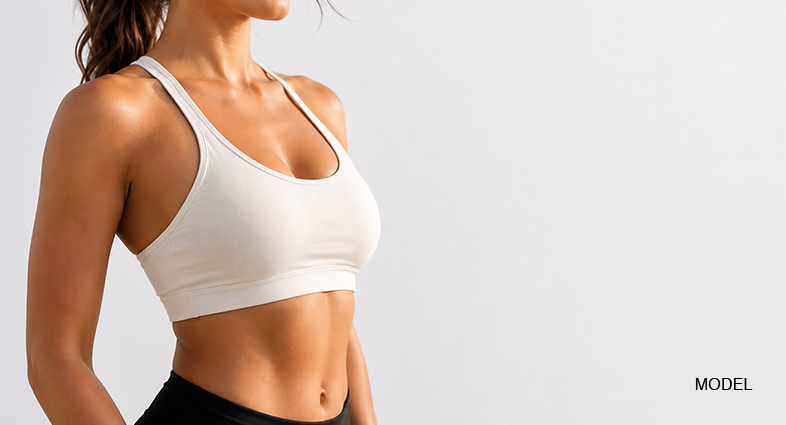
- Consider sports bras for high-impact activities to reduce breast movement.
Maintain a Consistent Weight
Repeated weight fluctuations can overstretch the skin and underlying breast tissue.
- Aim for a stable, healthy weight.
- Incorporate balanced nutrition and regular exercise to prevent drastic changes.
Practice Good Posture
Poor posture can subtly pull breast tissue downward over time.
- Keep your shoulders back and spine aligned.
- Engage your core muscles throughout the day.
Hydrate and Moisturize
Dry skin loses elasticity faster.
- Drink plenty of water daily.
- Use moisturizers rich in collagen-boosting ingredients like vitamin E and hyaluronic acid.
Protect Your Skin From UV Damage
Excessive sun exposure weakens the skin’s collagen structure.
- Apply sunscreen on the chest area when wearing low-cut tops or swimsuits.
- Avoid tanning beds.
Does Exercise Help Prevent Sagging Breasts?
Although breasts are composed mostly of fatty tissue and not muscle, strengthening the muscles underneath can enhance breast appearance.
Best Exercises to Prevent Sagging Breasts:
- Push-Ups: Targets the pectoral muscles.
- Chest Press: Builds upper body strength.
- Dumbbell Flys: Improves chest tone and posture.
- Plank Variations: Strengthens the entire core and upper body.
Exercise won’t reverse sagging but can improve breast support and overall firmness, creating a more lifted look.
Supportive Bras: Essential for Prevention
Choosing the right bra is arguably one of the most important daily practices to prevent sagging breasts.
Tips for Choosing the Best Bra
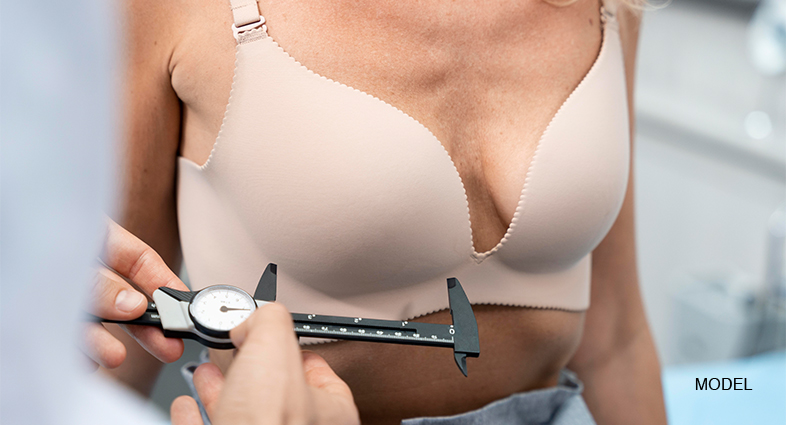
- Get Professionally Fitted: Sizes can change over time.
- Look for Full Support: Especially if you have a fuller bust.
- Replace Bras Regularly: Overstretched bras lose their support.
- Use High-Impact Sports Bras: Critical during activities like running or aerobics.
At Marin Aesthetics, many patients are surprised at how much difference a properly supportive bra can make in the long-term appearance of their breasts.
Healthy Lifestyle Habits to Prevent Sagging Breasts
Your daily choices significantly influence breast firmness.
1. Stop Smoking
Smoking is one of the leading external factors that accelerate skin aging and sagging. Smoking reduces blood flow, breaking down essential skin proteins.
2. Eat a Collagen-Rich Diet
Collagen is crucial for skin elasticity. Include collagen-boosting foods like bone broth, salmon, eggs, and leafy greens. Consider collagen supplements with the guidance of a healthcare professional.
3. Stay Hydrated
Well-hydrated skin maintains elasticity longer. Aim for at least 8 glasses of water daily.
4. Sleep on Your Back
Sleeping on your side or stomach can place pressure on breast tissue. Consider adjusting your sleeping position to minimize downward pull.
Pregnancy, Breastfeeding, and Sagging Prevention
One common myth is that breastfeeding causes sagging breasts. However, studies suggest that pregnancy itself is more responsible for breast changes, not breastfeeding.
Prevention Tips for Moms:
- Wear Supportive Maternity and Nursing Bras throughout pregnancy and breastfeeding.
- Gradually Wean to allow skin and breast tissue to adjust.
- Maintain healthy weight gain during pregnancy to avoid excessive stretching.
Marin Aesthetics often works with mothers seeking to restore breast firmness after pregnancy. Preventive care during these stages can make a significant difference.
When to Consider Sagging Breast Surgery
Sometimes, despite best efforts, breast sagging can progress due to genetics or life events like childbirth. In such cases, sagging breast surgery may be an option.
Types of Sagging Breast Surgery
- Breast Lift (Mastopexy): Removes excess skin and reshapes breast tissue for a lifted appearance.
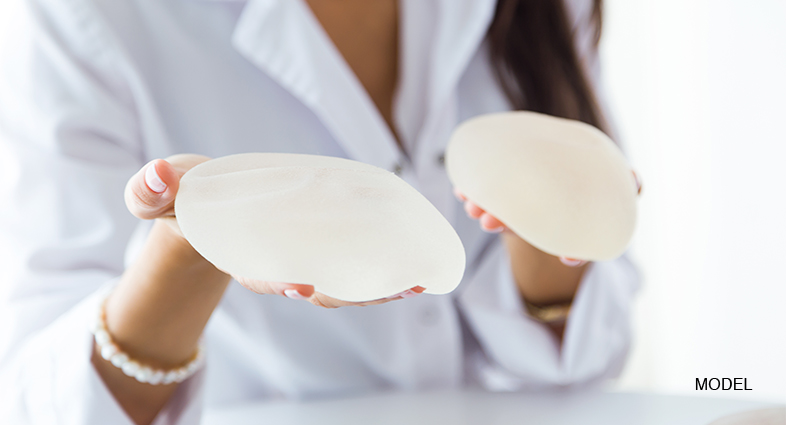
- Breast Augmentation: Implants may be used in combination with a lift for enhanced volume.
- Breast Reduction: For women seeking to reduce breast size while lifting sagging tissue.
At Marin Aesthetics, we offer personalized consultations to help women determine the most suitable surgical approach based on their goals and body type.
Marin Aesthetics: Your Partner in Breast Care
Marin Aesthetics is committed to empowering women with knowledge and options to maintain their natural beauty and confidence. Whether you’re looking for prevention strategies, considering surgical options, or simply seeking advice on breast care, our experts are here to guide you.
From non-surgical skin treatments to precision breast surgeries, we provide customized solutions for every stage of life.
Conclusion: Start Preventing Sagging Today
Preventing sagging breasts is achievable. While aging and gravity are inevitable, your daily choices can significantly slow the process. Through proper support, exercise, skin care, and a healthy lifestyle, you can preserve breast firmness and confidence for years to come.
If sagging has already occurred, options like sagging breast surgery at Marin Aesthetics can help you regain a youthful contour.
Remember: Prevention starts now. Whether you’re in your 20s, 30s, or beyond, the steps you take today can make a lasting difference.
If you found this guide helpful, please share it with friends or leave your thoughts in the comments below. For expert consultation, reach out to Marin Aesthetics. We’re here to support your beauty journey.
FAQS
1. Can sagging breasts be completely prevented?
While complete prevention isn’t possible due to aging and gravity, significant sagging can be delayed with proper care, support, and lifestyle choices.
2. Does breastfeeding cause sagging breasts?
No. Studies indicate that pregnancy itself—not breastfeeding—is the primary factor. Wearing supportive bras during and after pregnancy can help.
3. What is the best age to start preventing sagging breasts?
Prevention can start as early as your teens or twenties. The sooner you adopt good habits, the better your chances of maintaining firmness.
4. Can exercise lift sagging breasts?
Exercise cannot lift breasts directly since there’s no muscle in the breast tissue. However, strengthening chest muscles can enhance the appearance of the breasts.
5. What is sagging breast surgery and when should I consider it?
Sagging breast surgery (mastopexy) lifts and reshapes the breasts. It’s typically considered when sagging significantly affects appearance or comfort and non-surgical options aren’t enough.