

Revision Rhinoplasty San Diego
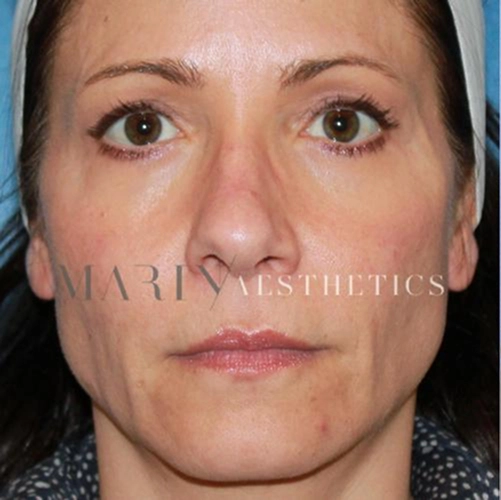
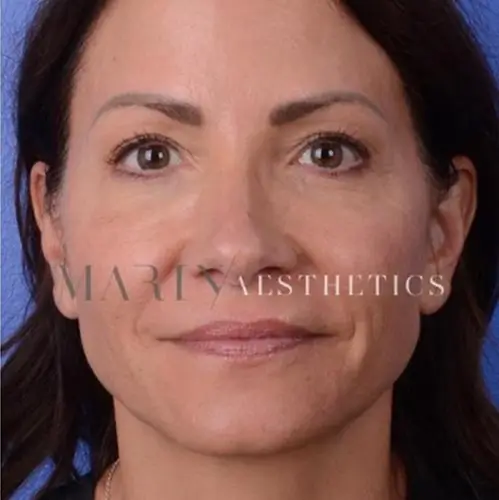
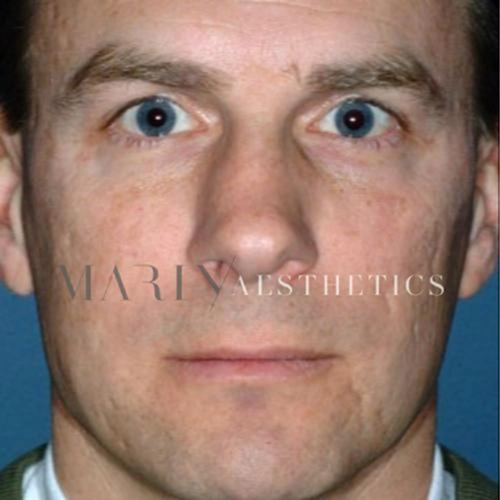
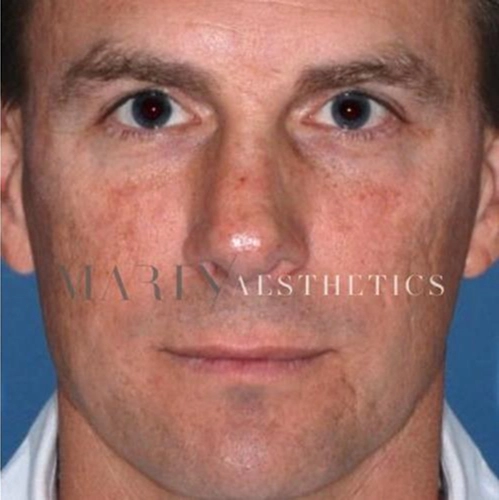
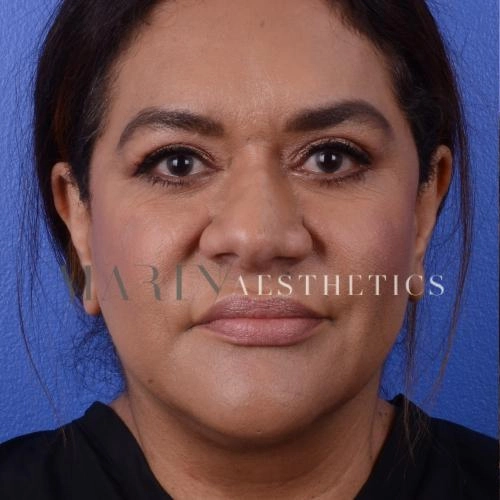
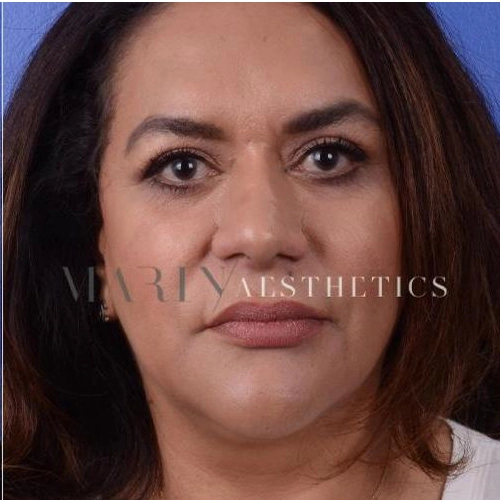
Patients who have previously undergone rhinoplasty may experience cosmetic concerns, functional breathing issues, or changes in nasal structure that develop over time. In other cases, they may simply wish to refine or improve the appearance achieved in an earlier procedure. These challenges can be addressed through Revision Rhinoplasty—a highly specialized form of nasal surgery that requires exceptional skill, precision, and deep expertise.
Revision rhinoplasty is widely regarded as one of the most complex procedures in aesthetic surgery. Scar tissue, altered anatomy, missing structural support, and unpredictable healing from a prior operation all contribute to the difficulty of the surgery. Because no two revision cases are alike, achieving a natural, harmonious, and stable result demands a surgeon with advanced training and substantial experience in nasal reconstruction.
With over 20 years of surgical experience, Dr. Vincent Marin has become one of the leading board-certified plastic surgeons for revision rhinoplasty in La Jolla and San Diego. Over the course of his career, he has performed hundreds of successful revision rhinoplasty procedures, ranging from subtle refinements to some of the most challenging corrective cases.
Dr. Marin’s expertise is further distinguished by his personal training and mentorship under Dr. Jack Gunter, the world-renowned authority who founded the Dallas Rhinoplasty Symposium—the premier educational conference for rhinoplasty surgeons globally. This direct exposure to Dr. Gunter’s pioneering techniques and philosophies has profoundly shaped Dr. Marin’s approach to complex nasal surgery, reinforcing his commitment to structural integrity, aesthetic precision, and long-term functional improvement.
Choosing the right surgeon is absolutely essential in revision rhinoplasty. With Dr. Marin’s extensive experience, advanced training, and meticulous surgical planning, patients can feel confident that they are in the hands of a specialist uniquely qualified to restore both beauty and breathing function through this demanding procedure.
Types of Revision Rhinoplasty
- Closed rhinoplasty is best suited for patients who are only seeking minor refinements.
- All surgical incisions will be made inside your nostrils. While scarring is prevented, there may be challenges and limitations with this approach. It may be difficult to perform more complex rhinoplasty steps such as detailed modification of the tip of the nose and its position.
- In certain circumstances, this type of approach is sufficient and allows for a simple reduction of a bump on the bridge or small manipulations to the nasal tip.
Before & During the Surgery
Revision rhinoplasty is performed as an outpatient procedure under general anesthesia to ensure your comfort and safety throughout the operation. Because revision surgery often involves correcting scar tissue, restoring lost structural support, or rebuilding previously altered anatomy, the procedure is typically more complex than a primary rhinoplasty.
During surgery, Dr. Marin meticulously reshapes and reinforces the nasal cartilage and bone to improve both aesthetics and breathing function. For many revision cases, additional structural support is required. In these situations, ear cartilage or rib cartilage grafting may be recommended to restore strength and create a stable, long-lasting foundation. Harvesting cartilage from these donor sites can add time to the procedure and may modestly extend the recovery period, but it is often essential for achieving the most natural and functional result.
The procedure generally lasts 2 to 4 hours, though complex revisions—particularly those requiring cartilage grafts—may take longer due to the additional precision and reconstruction involved.
For patients undergoing an open rhinoplasty approach, small sutures are placed along the columella to close the external incision. At the end of your procedure, a custom nasal splint is applied to support the new shape, minimize swelling, and protect the delicate internal structures as they heal.
The splint and external stitches are usually removed after about seven days. Some swelling and bruising around the eyes is normal and expected. To ensure your comfort during the early healing period, Dr. Marin will prescribe pain medication and provide detailed postoperative instructions tailored to your specific surgical plan.
What to expect for your
REVISION RHINOPLASTY

Length
2 – 5 hours

Anesthesia
General anesthesia

in/outpatient
Outpatient, possible inpatient if more extensive

Duration of Results
Permanent

rISKS
Pain, bleeding, infection, breathing problems, incomplete improvement

rECOVERY
8 – 12 weeks

SIDE EFFECTS
Temporary swelling, bruising, and some pain, mild bleeding from the nose, discomfort at the cartilage harvest site

Final APPEARANCE
Within 2 months after the surgery


I absolutley would recommend Dr. Marin to my friends and family. My expereince with him was different than other consultations. I felt he made it a point to listen to my concerns and gave me my options without pressuring me. In the end I did not want to look like I had surgery. I wanted to look refreshed and rested and that is exactly what he did for me. My results look natural!

Yelp
Revision Rhinoplasty Candidates
Ideal candidates for revision rhinoplasty are healthy individuals seeking to improve cosmetic concerns or functional issues that remain—or have developed—after a previous rhinoplasty. Because revision surgery must address altered anatomy, scar tissue, or structural weaknesses from an earlier procedure, it requires a surgeon with extensive experience and specialized training.
Revision rhinoplasty may be beneficial for patients who wish to:
- Refine an appearance that still feels out of balance or inconsistent with their original goals
- Correct irregularities such as persistent or new bumps, asymmetry, or contour deformities
- Improve a bulbous, wide, pinched, or over-rotated nasal tip following prior surgery
- Address a crooked or collapsed bridge, saddle deformity, or unwanted changes to nasal projection
- Resolve breathing difficulties created or left uncorrected by the previous procedure, including septal deviation or internal/external valve collapse
- Restore structural support to a weakened or over-resected nose
- Enhance or revise the results of their prior rhinoplasty to achieve a more natural, harmonious, and stable outcome
- Pursue realistic expectations and a clear understanding of what revision rhinoplasty can—and cannot—achieve
Because each revision case presents unique anatomical challenges, Dr. Marin uses advanced digital imaging and meticulous preoperative planning to visualize potential refinements and align your expectations with the most achievable and natural-looking result. This careful approach gives patients confidence, clarity, and a shared vision well before the day of surgery.

Cost & Financing
Revision rhinoplasty is one of the most complex procedures in aesthetic surgery and often requires advanced reconstruction, cartilage grafting, and meticulous surgical planning. As such, the cost of a revision rhinoplasty in San Diego can vary significantly. At Marin Aesthetics, revision rhinoplasty typically ranges from $7,500 to $25,000, depending on the extent of correction needed and the complexity of your individual case.
Your final cost is influenced by several factors, including:
- The level of revision required to address cosmetic or functional concerns
- The need for additional procedures, such as ear or rib cartilage grafting
- The anticipated surgical time and technical demands
- Anesthesia fees and accredited operating room facility costs
- Any reconstructive considerations unique to prior surgery outcomes
During your private consultation, Dr. Marin will provide a personalized treatment plan and an accurate, detailed cost estimate based on your specific anatomy and surgical goals.
We accept cash, personal checks, and all major credit cards. Flexible financing options are also available for qualified patients who wish to manage costs over time.

Your New Look After Revision Rhinoplasty
Revision rhinoplasty offers patients the opportunity to reclaim both confidence and function after an unsatisfactory or complicated earlier surgery. By refining nasal shape and restoring proper structural support, this procedure can dramatically improve the overall balance and harmony of your facial features. Just as importantly, revision rhinoplasty can address functional concerns—helping to relieve breathing difficulties that may have developed or persisted following the initial operation.
Many patients describe a profound sense of relief and renewed self-assurance once their nose feels more natural, stable, and aligned with their aesthetic goals. With Dr. Marin’s meticulous approach and advanced reconstructive techniques, your new result is designed to look refined, timeless, and in harmony with your unique facial anatomy, providing both aesthetic improvement and long-term functional benefit.
Recovery & Scars
Revision rhinoplasty is performed as an outpatient procedure, although some patients may elect to remain overnight for additional comfort and monitoring. Immediately after surgery, you will wake in the recovery suite with a custom nasal splint in place to support the newly reconstructed structures. This splint typically remains for 5 to 7 days, during which it helps maintain shape and minimize early swelling.
As with primary rhinoplasty, swelling and bruising around the nose and under the eyes are normal. Because revision procedures involve working around prior surgical changes and scar tissue, healing can progress more gradually. Most patients notice a significant improvement in swelling after 2 to 3 weeks, and many feel ready to return to work at approximately 2 weeks, depending on the complexity of their procedure and Dr. Marin’s recommendations.
To ensure optimal healing during the first 8 to 12 weeks, it is important to follow all postoperative instructions carefully:
- Clean the incision sites gently using a light dabbing technique, and apply hydrogen peroxide and antibiotic ointment as directed for the first 1–2 weeks.
- Keep your head elevated as much as possible for the first 1–2 weeks to reduce swelling. Sleeping with several pillows or a wedge is highly beneficial.
- Apply cold compresses to the cheeks during the first 48–72 hours to help minimize bruising and inflammation.
- You may shower after 1–2 days, taking care to keep the nasal splint dry.
- Avoid strenuous activity, heavy lifting, or vigorous exercise for 4–6 weeks, or until cleared by Dr. Marin.
- Protect your nose from direct sun exposure for at least 4–6 weeks, as the skin is more sensitive during early healing.
- Refrain from wearing glasses or sunglasses for 6–8 weeks to prevent pressure on the nasal bridge while it is stabilizing.
Your new nasal contours will begin to take shape within the first 2 months, although refinement continues over the following months. Because revision rhinoplasty often involves restoring structural support with cartilage grafts and correcting prior surgical changes, final healing may evolve for up to a year.
Any external scar—typically from an open rhinoplasty approach—remains small, discreet, and often barely visible, especially when postoperative care instructions are followed carefully. Most patients find that the incision blends naturally with the surrounding tissue and can be easily concealed if needed in the early postoperative period.