

Introduction: When Breathing and Beauty Go Hand in Hand
Many people think of rhinoplasty as purely a cosmetic procedure designed to refine the appearance of the nose. While it is true that rhinoplasty can dramatically enhance facial harmony, what many patients do not realize is that it can also significantly improve nasal function.
If you constantly struggle with nasal congestion, difficulty breathing through your nose, snoring, or sinus pressure, the issue may be structural rather than temporary. Conditions like a deviated septum, collapsed nasal valves, or enlarged turbinates can restrict airflow and affect your overall quality of life.
This is where rhinoplasty for breathing issues and aesthetics becomes a powerful solution. By combining functional corrections with aesthetic enhancements, patients can achieve better breathing and a more balanced facial appearance at the same time.
At Marin Aesthetics, patients frequently seek rhinoplasty not only to refine their nose but also to regain the ability to breathe comfortably and confidently. In this guide, we will explore how rhinoplasty for breathing, the benefits of combining function with aesthetics, and what patients should expect from the procedure.
Understanding Rhinoplasty: More Than Just Cosmetic Surgery
Rhinoplasty is a surgical procedure that reshapes the nose to improve its appearance, structure, or function. While many associate it with cosmetic improvements, modern rhinoplasty techniques often address both form and function simultaneously.
Common Reasons People Choose Rhinoplasty
Patients pursue rhinoplasty for several reasons:
- Difficulty breathing through the nose
- Deviated septum
- Nasal obstruction
- Broken or crooked nose
- Nasal asymmetry
- Large nasal hump
- Bulbous nasal tip
- Facial imbalance
A skilled surgeon can correct these structural problems while refining the nose’s appearance to maintain natural facial harmony.
This combination is what makes rhinoplasty to improve breathing particularly beneficial.
The Link Between Nasal Structure and Breathing Problems
Breathing issues often stem from structural abnormalities inside the nose. Even small irregularities can restrict airflow and cause persistent discomfort.
Common Causes of Nasal Breathing Problems
1. Deviated Septum
The nasal septum divides the nose into two passages. When it becomes crooked or deviated, it blocks airflow.
2. Nasal Valve Collapse
The nasal valve is the narrowest part of the airway. Weak cartilage can cause this area to collapse when breathing.
3. Enlarged Turbinates
Turbinates help filter and humidify air, but when they become enlarged, they obstruct breathing.
4. Previous Nasal Trauma
A broken nose or injury can alter nasal structure and impair airflow.
5. Congenital Nasal Shape
Some individuals are born with narrow nasal passages that limit airflow.
Rhinoplasty for breathing issues and aesthetics addresses these structural problems while also refining the nose externally.
What Is Functional Rhinoplasty?
Functional rhinoplasty is designed specifically to restore proper nasal airflow.
Unlike purely cosmetic procedures, functional rhinoplasty focuses on correcting internal nasal structures that affect breathing.
Procedures Often Included
Functional rhinoplasty may involve:
- Septoplasty (straightening the septum)
- Nasal valve repair or reinforcement
- Turbinate reduction
- Cartilage grafting for support
Many patients combine functional rhinoplasty with cosmetic reshaping to achieve both medical and aesthetic benefits.
Rhinoplasty for Breathing and Aesthetic Enhancement
One of the greatest advantages of modern nasal surgery is the ability to combine functional and cosmetic improvements in a single procedure.
Benefits of Combining Both
- Improved nasal airflow
- Enhanced facial balance
- Better sleep quality
- Reduced sinus infections
- Increase self-confidence
Patients often report dramatic improvements in both physical comfort and emotional wellbeing.
For example, someone who has struggled with breathing issues for years may finally experience unrestricted airflow, while also enjoying a nose that complements their facial features.
How Rhinoplasty Improves Breathing
1. Straightening the Nasal Septum
Septoplasty corrects a deviated septum, allowing air to pass freely through both nasal passages.
2. Strengthening Nasal Valves
Cartilage grafts can reinforce weak nasal valves to prevent collapse during breathing.
3. Reducing Turbinate Size
Reducing enlarged turbinates creates more space for airflow.
4. Repairing Nasal Trauma
Fractures or deformities from previous injuries can be reconstructed to restore airflow.
Together, these improvements make rhinoplasty to improve breathing one of the most effective solutions for chronic nasal obstruction.
Aesthetic Benefits of Rhinoplasty
While functional improvements are essential, many patients also want their nose to look more balanced with the rest of their face.
Cosmetic Goals of Rhinoplasty
Surgeons may refine:
- Nasal bridge
- Nasal tip
- Nostril size
- Nose width
- Profile balance
A well-performed rhinoplasty enhances facial harmony without making the nose look artificial.
At Marin Aesthetics, surgeons prioritize natural-looking outcomes that complement each patient’s unique features.
Who Is a Good Candidate for Rhinoplasty?
You may be an ideal candidate for rhinoplasty for breathing issues and aesthetics if you experience:
- Chronic nasal congestion or obstruction
- Snoring or sleep disturbance
- Frequent sinus infections
- Snoring or sleep issues
- Dissatisfaction with nasal appearance
- Nasal trauma or deformity
Candidates should also:
- Be in good overall health
- Have realistic expectations
- Be emotionally prepared for surgery
A consultation with a qualified surgeon will determine the best treatment plan.
The Rhinoplasty Procedure: What to Expect
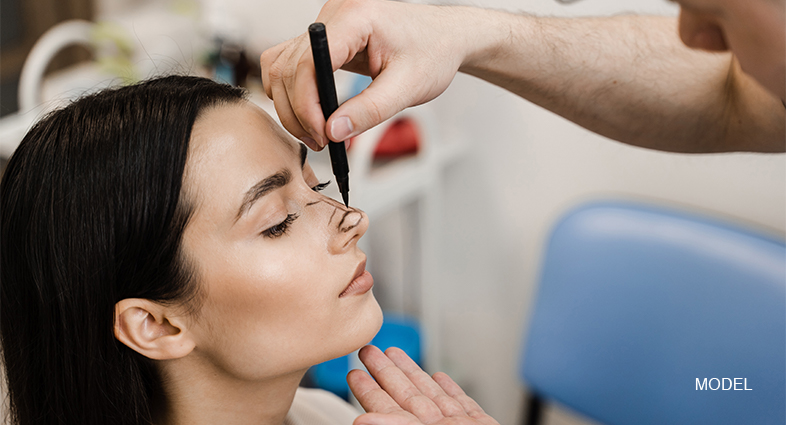
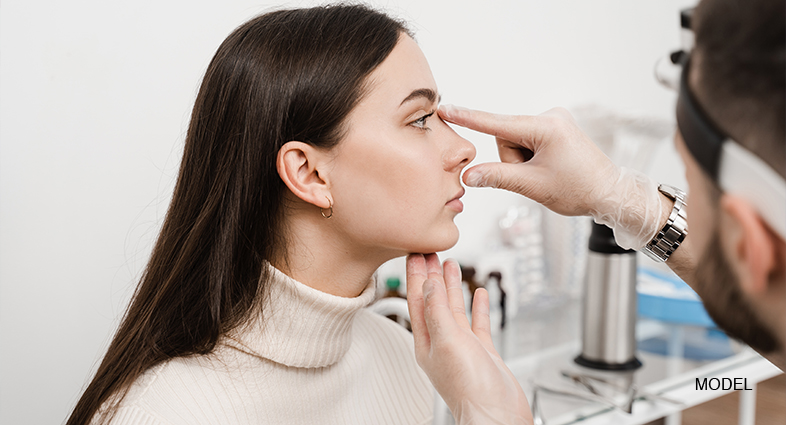
Step 1: Consultation
Your surgeon will evaluate:
- Nasal structure
- Breathing function
- Facial proportions
- Medical history
Advanced imaging or digital simulations may help visualize potential outcomes.
Step 2: Surgical Planning
The surgeon designs a plan that addresses both breathing concerns and aesthetic goals.
Step 3: Surgery
Rhinoplasty typically takes 2–3 hours and is performed under general anesthesia.
Two main techniques are used:
- Open rhinoplasty – small incision under the nose for better visibility
- Closed rhinoplasty – incisions inside the nostrils
Both approaches can effectively correct structural problems.
Step 4: Recovery
Most patients return to normal activities within 1–2 weeks, although complete healing may take several months.
Recovery After Rhinoplasty
Recovery is an important part of achieving the best results.
What Patients Typically Experience
- Mild swelling and bruising
- Nasal congestion during healing
- Splint removal after one week
- Gradual improvement in breathing
Tips for Faster Recovery
- Keep your head elevated
- Avoid strenuous activity
- Follow all surgeon instructions
- Stay hydrated
- Avoid blowing your nose early in recovery
Patients often notice improved breathing within weeks, while final cosmetic results continue refining over time.
Why Choosing the Right Surgeon Matters
Rhinoplasty is one of the most complex cosmetic surgeries because it requires both aesthetic artistry and functional expertise.
An experienced surgeon understands how small adjustments can impact:
- Nasal airflow
- Facial balance
- Long-term stability
At Marin Aesthetics, surgeons take a personalized approach to every rhinoplasty procedure. By carefully analyzing nasal anatomy and facial proportions, they help patients achieve natural-looking results while restoring optimal breathing function.
Long-Term Results of Rhinoplasty
One of the most appealing aspects of rhinoplasty is that the results are long-lasting.
Patients Often Experience:
- Permanent improvement in breathing
- Enhanced facial symmetry
- Increased confidence
- Better sleep quality
- Improved quality of life
While the nose continues to age naturally, the structural corrections typically remain stable for many years.
Why Marin Aesthetics Is a Trusted Choice
Choosing the right clinic is essential for achieving safe and satisfying results.
Marin Aesthetics offers:
- Experienced rhinoplasty specialists
- Customized treatment plans
- Advanced surgical techniques
- Natural-looking results
- Comprehensive patient care
Their commitment to patient safety and precision has made them a trusted destination for those seeking rhinoplasty for breathing issues and aesthetics.
Conclusion: Breathe Better, Feel Better, Look Better
If you have been struggling with nasal breathing problems while also feeling dissatisfied with the appearance of your nose, you do not have to choose between function and beauty.
Rhinoplasty for breathing issues and aesthetics offers a powerful solution that improves both health and confidence.
By correcting structural issues such as deviated septums or nasal valve collapse, rhinoplasty restores comfortable airflow. At the same time, it enhances facial harmony to create a natural and balanced look.
With expert care from specialists like those at Marin Aesthetics, patients can enjoy the life-changing benefits of better breathing, improved appearance, and renewed confidence.
If you are considering rhinoplasty to improve breathing, scheduling a consultation with an experienced surgeon could be the first step toward a healthier and more confident future.
FAQS
1. Can rhinoplasty really improve breathing?
Yes. Rhinoplasty for breathing can correct structural issues such as deviated septums, nasal valve collapse, and enlarged turbinates that restrict airflow.
2. Is rhinoplasty for breathing the same as septoplasty?
Not exactly. Septoplasty focuses on correcting the septum, while rhinoplasty reshapes the nose and may include septoplasty for improved breathing.
3. Will male rhinoplasty leave visible scars?
Most patients notice improved breathing within 2–4 weeks, though swelling may take several months to fully resolve.
4. Will rhinoplasty change how my nose looks?
Yes, if cosmetic adjustments are included, but results aim to be natural and harmonious. 5. Is rhinoplasty permanent?
5. Is rhinoplasty permanent?
Yes. The structural changes made during rhinoplasty are typically long-lasting, though the nose will continue to age naturally over time.